







Search Results for: Coffee bean counting
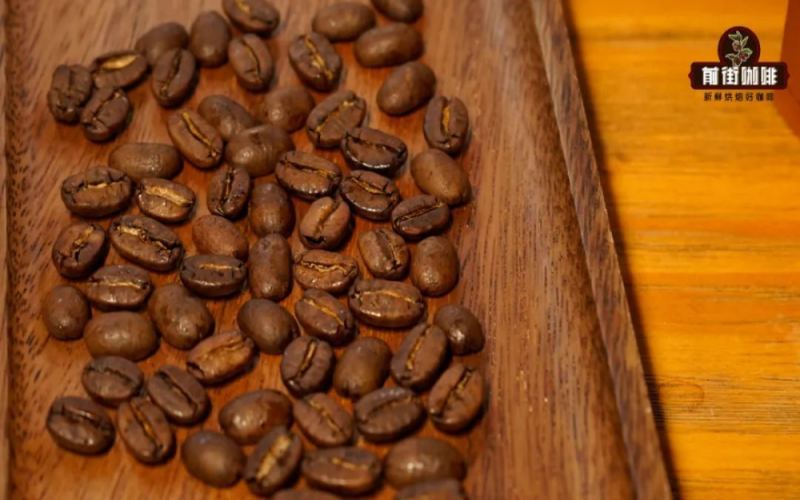
Estimating coffee beans without a scale: how many beans make 15 grams for different varieties?
In the daily routine of pour-over coffee, a digital scale is certainly important, but there are occasional times when no scale is at hand, and at such moments, how to roughly judge the amount of 15 grams of coffee beans becomes a practical question. Front Street Coffee shares a rather unique approach—counting the beans directly. Coffee beans from different origins and varieties differ noticeably in size, and the number of beans for the same weight also varies. This article selects five representative coffees—Yirgacheffe, Blue Mountain No. 1, Brazil Yellow Bourbon, Panama Emerald Green Label Geisha, and Golden Mandheling—weighing three sets of 15-gram samples of each and counting them, to arrive at a fairly reliable range for the number of beans, for everyone to refer to when no scale is available. [more…]
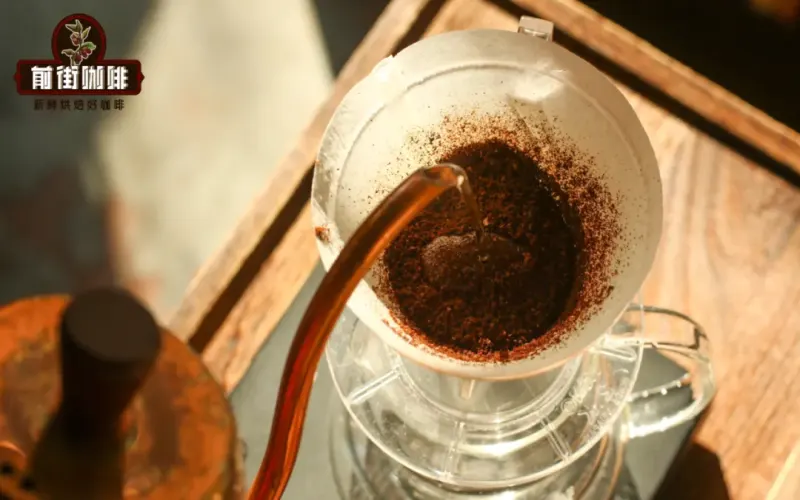
When Does the Bloom Timer Start for Pour-Over Coffee? A Detailed Explanation of Whether the Pouring Phase Counts Toward the Brew Time
Many coffee enthusiasts struggle with a question during pour-over brewing: should the blooming time be counted from the start of pouring water, or from when the pouring ends? Does the bloom count as the first pour of the brewing process? At Front Street Coffee, we perform a blooming step at the start of every brew, because a proper bloom makes it easier to get a delicious cup of coffee. This article starts from the practical function of blooming, explains where the recommendation of 30 seconds and twice the coffee dose in water comes from, and clarifies when to adjust the time and when to adjust the water amount. To figure out the timing and pour-segmentation questions, first understand why blooming exists—and the answer will naturally emerge. [more…]
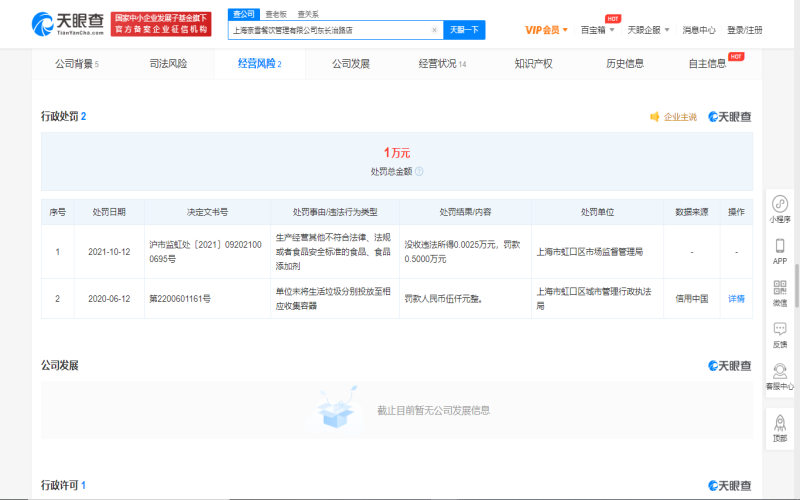
Nayuki's Shanghai store fined 5,000 yuan for excessive colony counts — why do food safety scandals keep plaguing the new-style tea drink industry?
The new-style tea beverage industry has once again exposed food safety issues. Naxue's Tea's Shanghai East Changzhi Road store was fined and had its illegal gains confiscated by the Hongkou District Market Supervision Administration because the freshly made and sold Golden Mountain Treasure Tea exceeded the total bacterial count limit. Before this, the brand had already been exposed by the media multiple times for chaotic store hygiene, even alarming the State Administration for Market Regulation. From Xinhua reporters' undercover investigations to tea beverage brands frequently trending on social media across various regions, consumers pay high prices but do not necessarily receive matching safety guarantees. This article will sort out the ins and outs of this penalty, review the food safety crisis Naxue's Tea encountered this year, and ask: after tea beverage brands apologize, compensate, and rectify, have the fundamental problems actually been solved? [more…]

Luckin baristas collectively complain: behind the Xiaohongshu ordering guides are ice counts, no-sugar-no-milk requests, and bizarre notes
Recently, Luckin's iced drinks have been under continuous scrutiny due to issues of too much ice and shrinking portions after removing ice. Many consumers have started sharing "high cost-performance ordering strategies" on platforms like Xiaohongshu, from specifying the amount of ice to requesting less milk and less sugar, no sugar and no milk, and even asking for cilantro in their lattes. These seemingly meticulous notes have left café baristas complaining bitterly: counting ice cubes slows down service, removing flavored syrups ruins the taste, and requests to remove ice from frappuccinos are even more absurd. This article compiles genuine complaints from frontline baristas and also reminds consumers that seemingly troublesome requests aimed at brands often end up pressuring frontline workers. [more…]
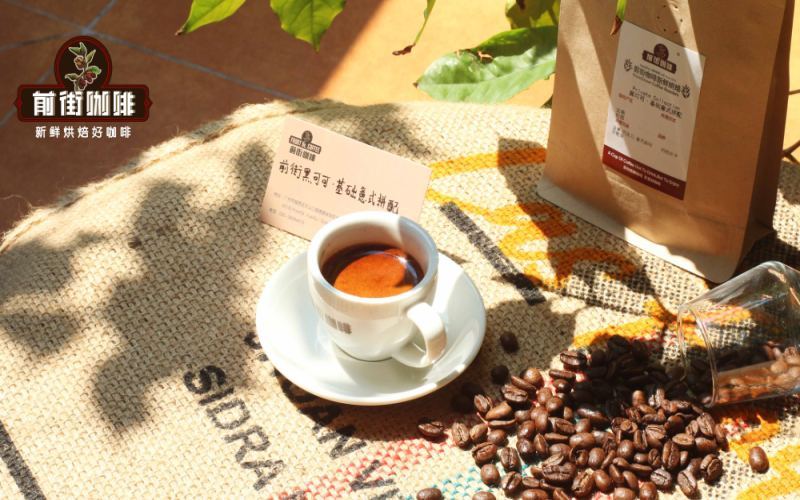
Does a Single-Origin Blend Count as a Single-Origin Coffee? Flavor Analysis of a Costa Rican Honey-Processed and Panamanian Washed Geisha Blend
Blended coffee beans usually bring to mind cross-regional mixes used to create consistent espresso flavors. But what is little known is that there is also a "single-origin blend"—combining coffee beans of different varieties from the same region or even the same estate. Does this kind of blend count as single-origin coffee? How did Geisha's legendary path from the forests of Ethiopia to fame in Panama influence today's blending practices? This article starts with two Geisha blends from Front Street Coffee, separately exploring the flavor differences between Panama Boquete washed Butterfly and Costa Rica Tarrazu raisin honey-process Mirazu, analyzing how washed and honey processing present Geisha's floral aroma and sweetness differently, and includes V60 brewing parameters and flavor descriptions to give you a comprehensive understanding of the logic and charm of single-origin blends. [more…]
The coffee race heats up: Luckin surpasses Starbucks in store count as local chains and crossover players compete on the same stage
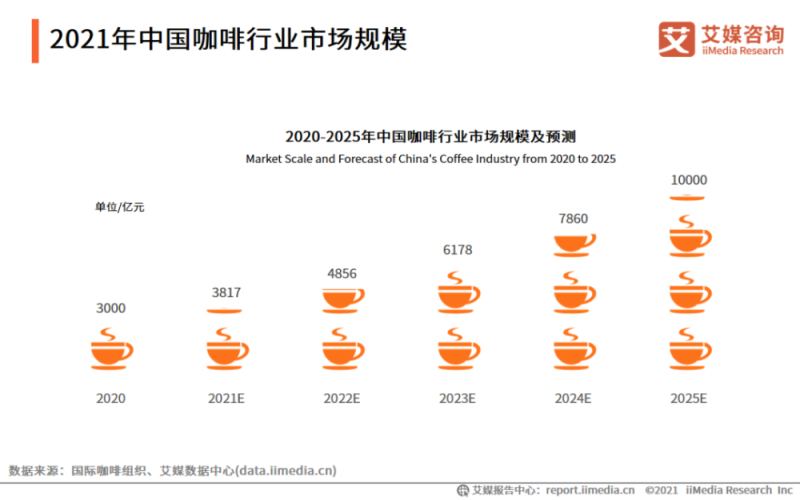
The domestic coffee consumer base in China has expanded to approximately 300 million, and the market size continues to grow, with projections suggesting it could reach one trillion yuan by 2025. Luckin Coffee has made a strong recovery after its turmoil, with its store count once surpassing Starbucks; Starbucks insists on company-owned operations and plans to continue expanding; new brands such as Manner and NOWWA are accelerating financing and store openings, while international brands like Tims and %Arabica have also entered the market successively. Capital and cross-industry giants are frequently making moves, making China's coffee market, which still has a low chainization rate, full of imaginative potential. Front Street Coffee also continues to monitor specialty coffee trends and industry changes. [more…]
Why Is 30 Seconds the Benchmark for Hand-Pour Blooming? A Detailed Explanation of the Degassing Principle, Timing Judgment, and Whether It Counts Toward the Extraction Phase
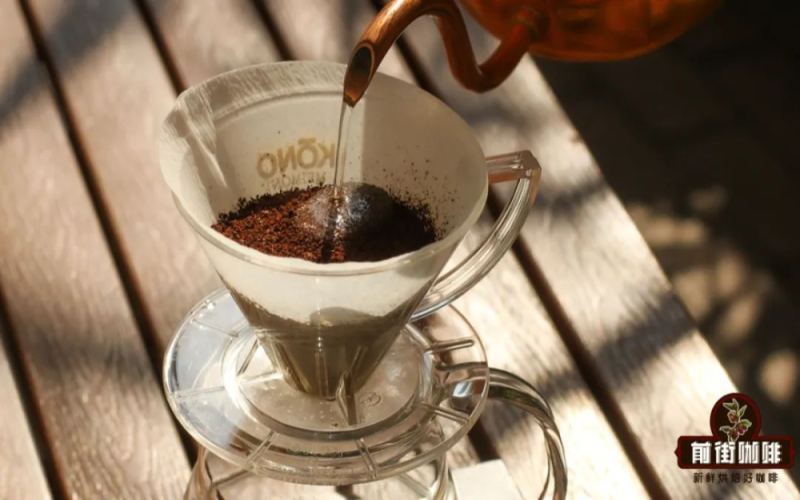
Before formally pouring water for pour-over coffee, a small amount of hot water is usually used to wet the coffee grounds and let them sit for a moment. This step is called blooming. Many enthusiasts are familiar with the formula of "twice the water amount, wait 30 seconds," but they do not know where this number comes from, nor are they sure whether blooming counts as a stage of extraction. This article starts with the gases inside coffee beans after roasting, explains why blooming is necessary, how the two parameters of water amount and duration are determined, and what flavor problems insufficient blooming and excessive blooming each bring, helping readers understand that 30 seconds is only a conservative starting point for beginners, and that once skilled, one can judge flexibly based on the state of the coffee bed. [more…]
NOWWA Coffee opens 120 new stores simultaneously, total store count surpasses 1,700, covering over 100 cities
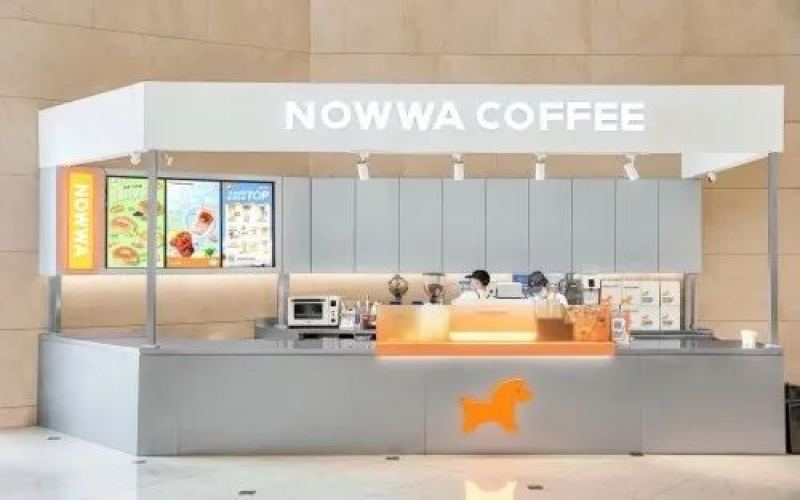
Nowadays Coffee recently announced the simultaneous opening of 120 stores. In addition to strengthening its presence in Guangzhou, the new stores also expanded into lower-tier markets in 10 cities including Nanchang, Jinhua, Huangshan, and Zhanjiang. This budget coffee brand, founded in Shanghai in 2019, is accelerating its penetration into the national market by relying on an asset-light model in which online delivery accounts for more than 75% of sales, as well as approachable pricing of around 15 yuan. As of July this year, its total number of stores ranked third among domestic coffee chains, with more than 1,700 stores nationwide covering over 100 cities. Against the backdrop of a coffee consumption market expected to reach a trillion-yuan scale by 2025, Nowadays Coffee's pace of expansion has drawn industry attention. [more…]
A Comprehensive Analysis of Special Coffee Processing Methods: Does Anaerobic Enzyme Processing Count as Flavored Beans?
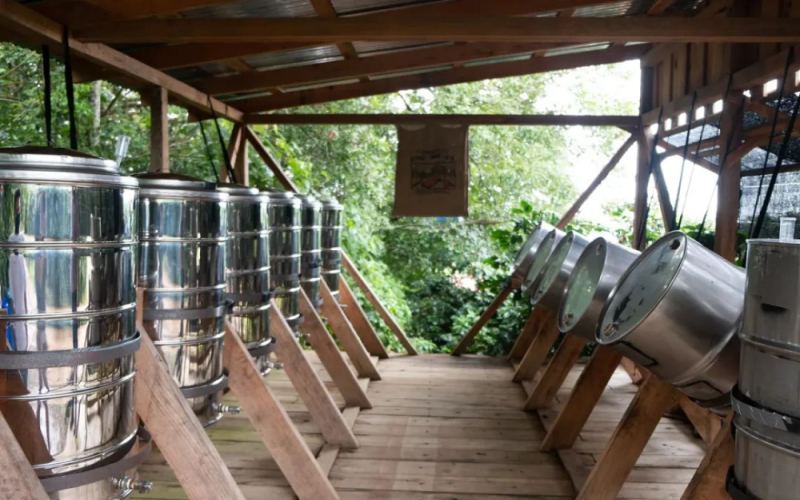
In recent years, traditional coffee processing methods have become increasingly rare, and even premium producing regions such as Ethiopia and Panama Geisha have begun to embrace special processing methods. From the emergence of anaerobic honey processing in 2014 to five of the top six finishers at the 2018 WBC using anaerobic fermented beans, special processing methods rapidly swept the market. Among them, "anaerobic enzyme processing" has sparked the most discussion—what exactly are enzymes? Are they the same thing as flavored beans? Starting from the nature of enzymes and the background of the rise of special processing methods, and incorporating the views of WBC champion Sasa, this article clarifies the boundary between flavored coffee and fermented flavors, helping coffee enthusiasts view this new wave of processing methods rationally. [more…]

Luckin Coffee Expands into Esports Marketing: Partners with EDG to Launch Shanghai-Themed Store, Store Count Now Surpasses Starbucks
Luckin Coffee recently signed a deal with EDG, the champion team of the S11 World Championship, and is preparing an esports-themed store in Shanghai, attempting to deeply integrate esports culture with consumption scenarios. Previously, Luckin had already shown keen marketing instincts by signing Eileen Gu and teaming up with Coconut Palm. This themed store features four major areas: themed light signs and a gaming experience zone, a bullet-comment corridor, a team history honor wall, and an infinite fantasy photo spot, sparking widespread anticipation among netizens. Meanwhile, after weathering a financial storm, Luckin has made a strong comeback, with revenue from self-operated stores reaching 6.193 billion yuan in 2021, and its store count has surpassed Starbucks, making it the coffee chain brand with the most stores in China. Whether esports marketing can bring new growth to Luckin is worth watching. [more…]
What is the difference between ice drip and cold brew? Does cold brew count as black coffee? A complete guide to choosing coffee beans for low-temperature extraction and making it
Coffee doesn't have to be brewed with hot water—cold water can also extract surprisingly delightful flavors. Ice drip and cold brew are two common low-temperature extraction methods: the former uses ice water for drip filtration, while the latter uses ice water for immersion, and the resulting cups have their own distinctive mouthfeel profiles. This article will start from the essential differences between the two, explain how cold water extraction and hot water extraction differ in flavor expression, answer whether cold brew counts as black coffee, and share recommended bean varieties suitable for making low-temperature coffee. It will then break down in detail the operating steps, grinding parameters, and coffee-to-water ratios for ice drip coffee and cold brew coffee, and finally offer suggestions on refrigeration storage time, helping coffee enthusiasts consistently make clean, full-bodied cold coffee at home. [more…]
The definition of black coffee and its connection to Americano—do pour-over, siphon, cold brew, and moka pot all count? Also discussing the differences between moka pot and espresso machine
In short videos, you often see bloggers holding a cup of deep-colored coffee and calling it "black coffee," which leads many friends new to coffee to ask: Is black coffee the same as Americano? What exactly is the difference between the two? In fact, black coffee is a broad umbrella term—as long as the cup contains nothing besides coffee substances and plain water, it can be classified under this system. Starting from the definition, this article sorts through common black coffee members such as Americano, pour-over, siphon, cold brew, and moka pot, explains their respective extraction characteristics, and also compares the similarities and differences between moka pots and espresso machines in pressure extraction. Finally, it offers bean selection directions suitable for beginners, including several recommendations from the Front Street series. [more…]
How to Determine the Blooming Time for Pour-Over Coffee? Whether It Counts Toward Total Brew Time and a Detailed Explanation of the Degassing Principle
The blooming phase in pour-over coffee is often regarded as a key step that determines flavor. Many enthusiasts ask: does the 30-second bloom actually count toward the total extraction time? And what is the purpose of blooming? Starting from the principle of carbon dioxide release, this article explains why drip-style pour-over must be bloomed, and analyzes how three states—insufficient blooming, excessive blooming, and moderate blooming—affect the taste of coffee. At the same time, drawing on Front Street's brewing experience, it explains how the roast date, roast level, and pouring method change the optimal bloom duration, helping readers judge flexibly based on the state of degassing in the coffee bed rather than rigidly sticking to a fixed number of seconds. [more…]
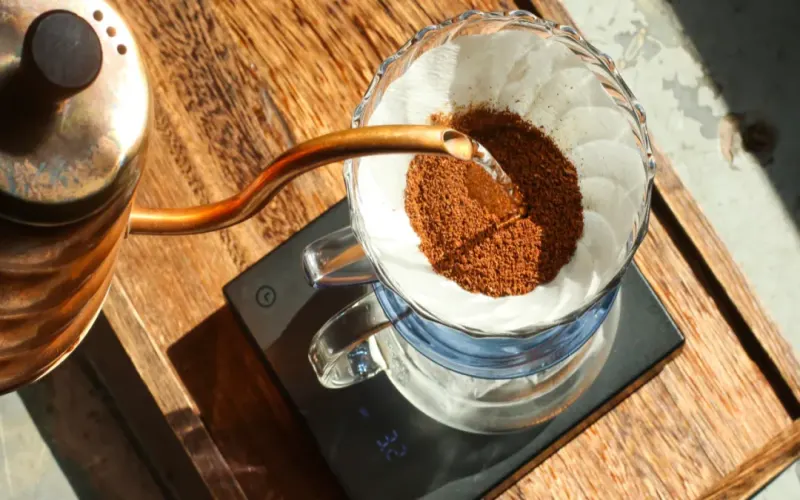
How Should the Bloom Time for Pour-Over Be Defined? Does It Count from the Moment Water Is Poured or from When Pouring Ends? A Full Analysis of the Difference Between 30 Seconds and 60 Seconds
In the pour-over coffee process, blooming is a step that seems simple yet often raises questions. Many people default to 30 seconds, but are not quite clear about when this duration actually starts, nor are they sure what changes extending it to 60 seconds or shortening it to 20 seconds will bring. Front Street Coffee conducted multiple sets of comparative experiments, testing the performance of no blooming, 30-second blooming, 45-second blooming, and 60-second blooming on coffee beans of different freshness levels. This article will focus on the core purpose of blooming—releasing carbon dioxide and improving extraction efficiency—to explain why 30 seconds is regarded as the safe choice, while also explaining how to flexibly adjust the time according to the condition of the beans, so that every cup of pour-over coffee can achieve the ideal flavor and mouthfeel. [more…]
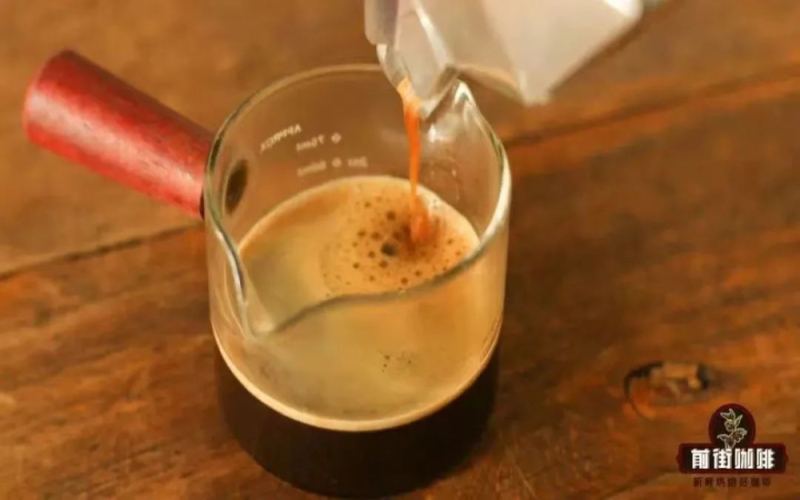
Does Moka Pot Coffee Count as Espresso? Tracing the True Origin of Crema Through the Evolution of Extraction Pressure
Both moka pots and espresso machines use pressurized extraction, so many people regard the moka pot as a home version of an espresso machine, and even believe that what it makes is espresso. But can the two really be equated? This article starts with the birth of the coffee machine and its pressure iterations, sorts out the process by which the definition of Espresso was established, and traces the evolution of the moka pot from its introduction in 1933 to the dual-valve version in 2020. You will discover that the pressure gap between 1~2 bar and 9 bar determines the essential difference in coffee concentration and Crema thickness. At the same time, it will also explain what kind of beans to choose if you want moka pot coffee to be richer and have more oils, and why the Front Street Coffee espresso bean series is suitable for home beginners. [more…]
A Century of British Tea Merchants: Taylors Earl Grey Black Tea Flavor Analysis: Royal Warrants and a Complete Overview of Classic Series
With over 130 years of blending experience, Taylors of Harrogate is a highly prestigious British tea and coffee company headquartered in Yorkshire, northern England. Founder Charles Edward Taylor established the company in 1886, developing a blended black tea tailored to the local representative water quality, which became the famous Yorkshire tea. Taylors blends up to thirty kinds of black tea from Africa, Assam, and Ceylon, producing a rich, long-lasting brew suitable for making milk tea. The brand adheres to ethical trading and high quality, with products certified by the Rainforest Alliance and holding the Prince of Wales's Royal Warrant, and retail outlets in over thirty-five countries worldwide. This article will introduce in detail the flavor characteristics, recommended brewing methods, and ingredient origins of Taylors' Royal Earl Grey, Lemon & Orange, English Breakfast, Darjeeling, Earl Grey Green, Organic Chamomile, Organic Peppermint, and Yorkshire Tea, with a recommendation from Front Street Coffee at the end for tea lovers' reference. [more…]
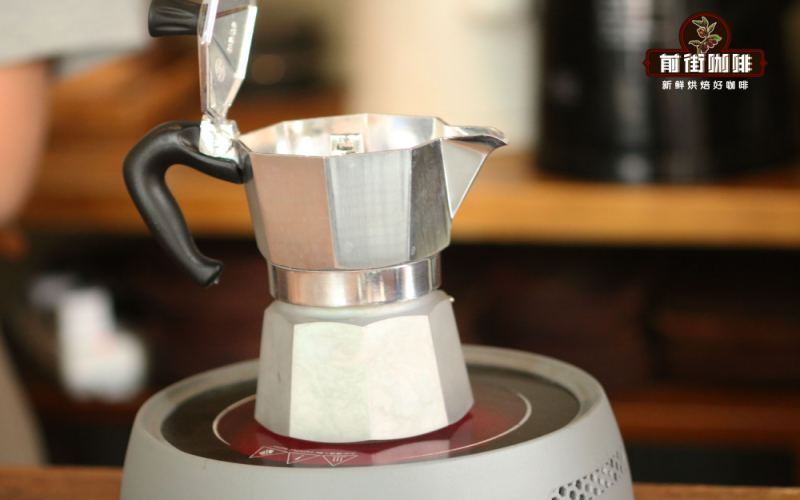
Does Moka Pot Extraction Count as Espresso? A Full Analysis of Dose, Grind Size, and Operation Details
The moka pot is a classic symbol of Italian coffee culture and also a substitute for many households that don't have an espresso machine. But does the coffee it brews actually count as espresso? How much ground coffee should go in a cup, how fine should the grind be, and how should the heat be controlled? This article starts from the structure and working principle of the moka pot, explains its essential differences from modern espresso in terms of pressure and temperature, and provides practical parameters such as coffee dose, grind size, and bean selection. It also includes complete operating steps and common questions about crema, helping you consistently brew a rich, delicious cup with a moka pot. [more…]

Luckin's 2021 revenue approached 8 billion, store count surpassed Starbucks China, and the profitability turning point is approaching.
Luckin Coffee's total net revenue for the 2021 fiscal year reached 7.965 billion yuan, a year-on-year surge of 97.5%, with fourth-quarter revenue of 2.4327 billion yuan, an increase of 80.7%. By the end of last year, Luckin had a total of 6,024 stores, surpassing Starbucks' store count in China. Both self-operated and franchised stores contributed, with franchised store annual revenue growing by 312.5%, and lower-tier markets making a significant contribution. Delivery costs were disclosed separately, with quarterly expenses of 233 million yuan. Non-GAAP operating loss narrowed to 23.6 million yuan, with profitability close at hand. After completing the interim liquidation, Luckin expects costs related to fraudulent transactions to significantly decrease in the second quarter of 2022. There is continued external interest in its return to the Nasdaq main board. [more…]
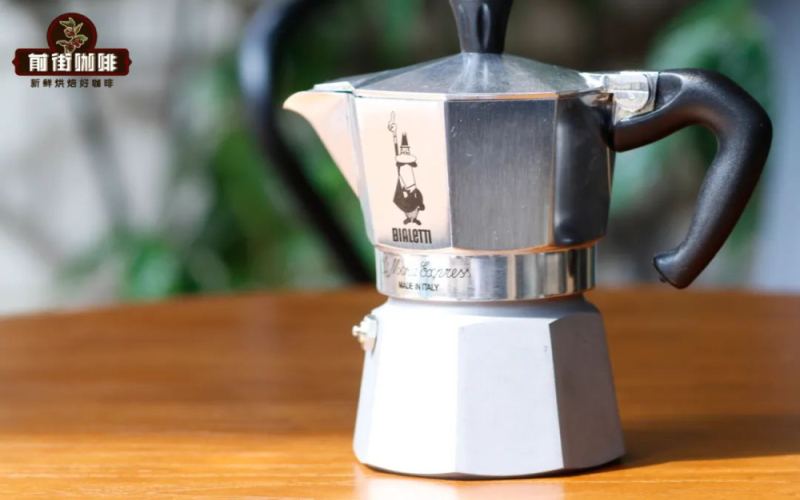
Does coffee made with a moka pot count as espresso? Can it replace an espresso machine? Let's explain the details once and for all.
Many people first encounter the moka pot because they are drawn to its rich flavor and retro design, and some even get the mistaken impression that what it brews is espresso. But what is the truth? Can the moka pot take on the role of an espresso machine? This article will start by going through the moka pot's structure and extraction principle, compare it with espresso in terms of pressure, coffee-to-water ratio, and crema performance, and provide specific operating steps and bean selection suggestions for using a moka pot at home. If you are considering getting a moka pot, or want to figure out its relationship with espresso, this article will give you a clear answer. [more…]

Luckin's Q2 revenue surged 72%, store count surpasses Starbucks, core business back on track
Luckin Coffee's Q2 2022 financial report continued the strong momentum from the previous quarter, with total net revenue growing by more than 70% year-over-year, operating profit successfully turning from loss to profit, and store scale further expanding, forming a sharp contrast with Starbucks' performance in China. Against the backdrop of the pandemic impacting the food and beverage industry, Luckin not only narrowed the revenue gap with Starbucks but also announced senior management changes, and the market is paying close attention to its prospects for relisting. This article will provide a detailed breakdown of the key data behind Luckin's impressive financial report, the pace of store expansion, changes in revenue structure, and the competitive landscape it will face in the future. [more…]